0086 15335008985
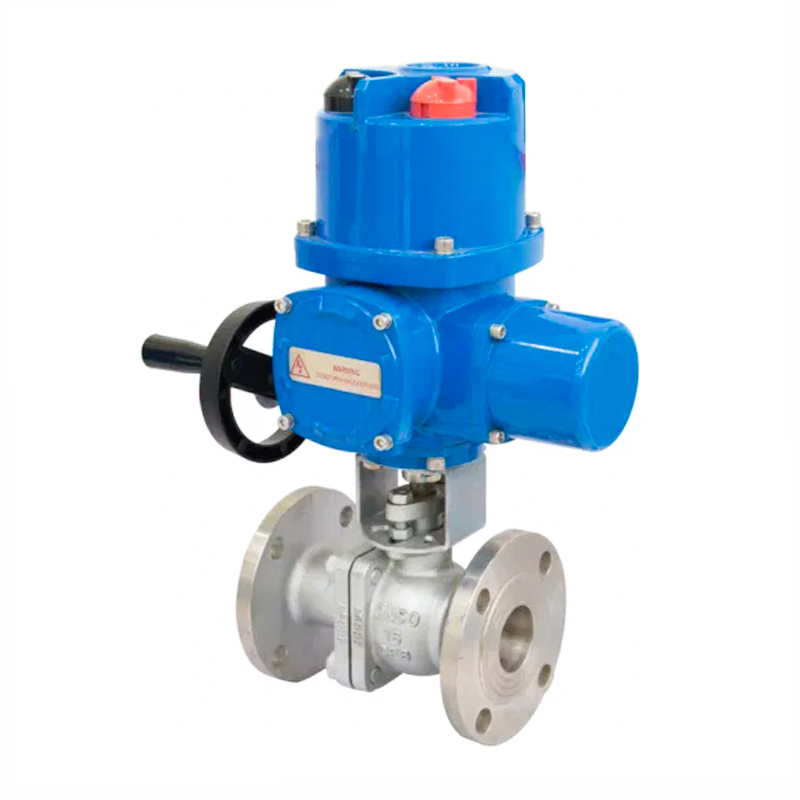
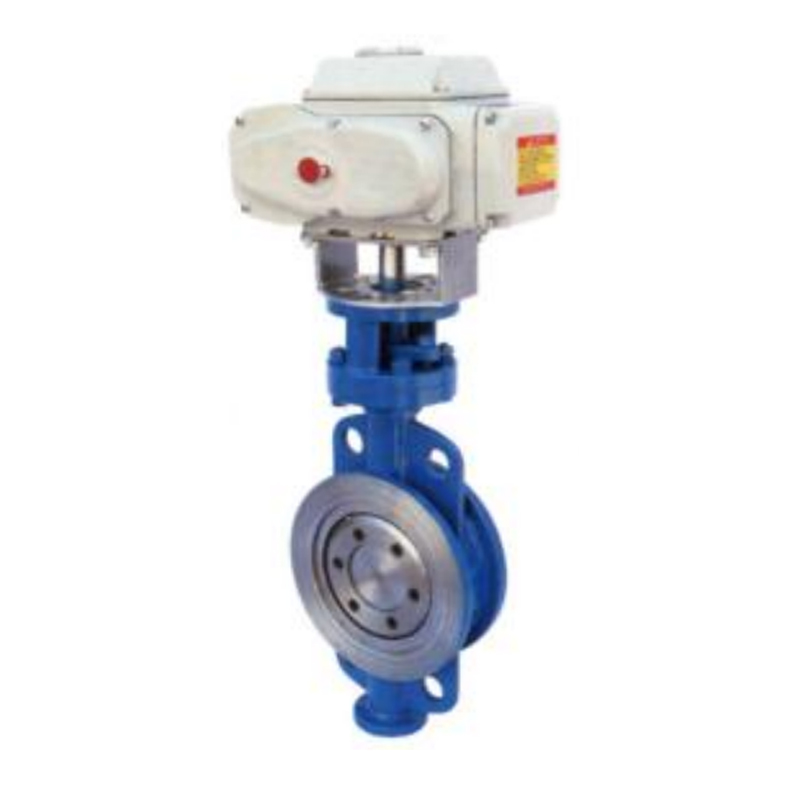
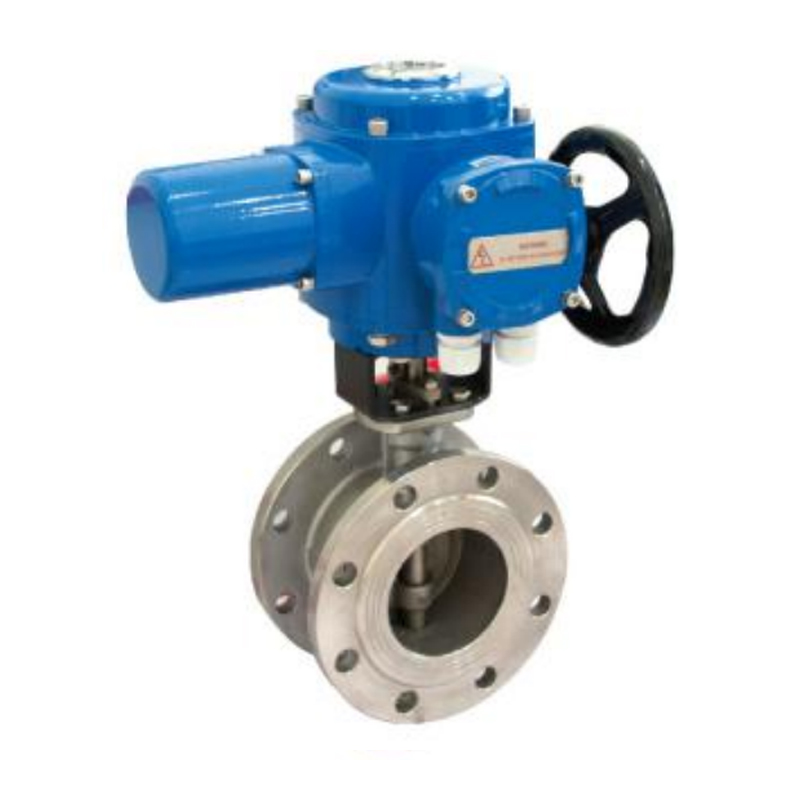
Cat:Štvrťrok otočte elektrický pohon
Aukema čiastočne rotujúca inteligentný elektrický ovládač má dva typy ovládacích prvkov: typ inteligentného prepínača...
Pozri podrobnosti

0086 15335008985


 Prehliadka
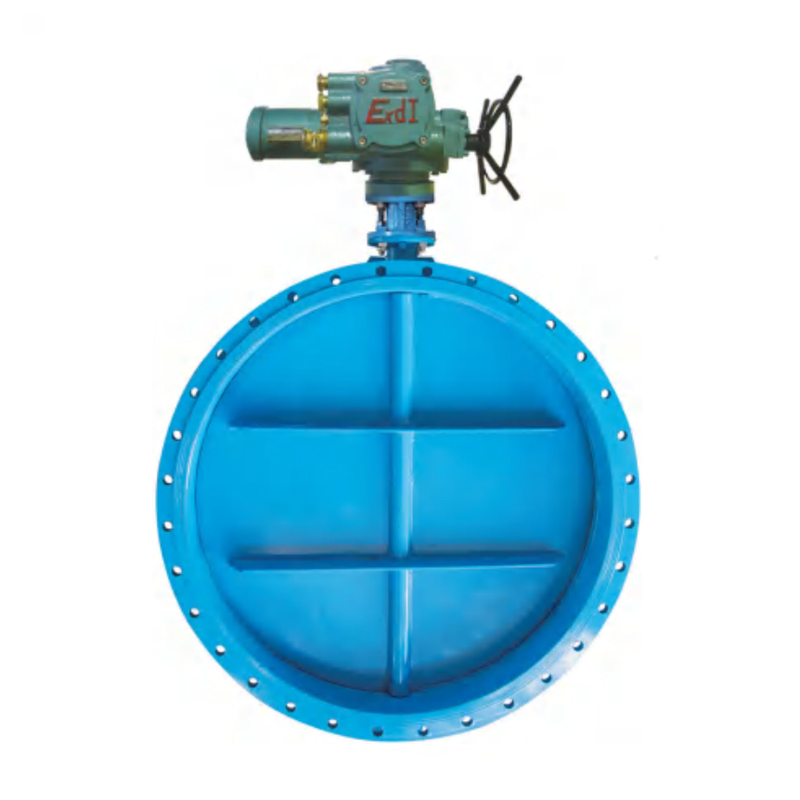
V podzemných banských operáciách sú ventilačné systémy rozhodujúce pre zaistenie bezpečných pracovných podmienok, riadenie prúdenia vzduchu a kontrolu nebezpečných plynov. Jadrom týchto systémov je MFD banská ventilačná klapka slúži ako primárne riadiace zariadenie, ktoré reguluje prúdenie vzduchu cez zložité siete tunelov. Spoľahlivosť a prevádzková životnosť týchto ventilov sú výrazne ovplyvnené materiálmi vybranými na ich konštrukciu.
Výkon materiálu v extrémnych podzemných podmienkach určuje nielen životnosť komponentov ventilu, ale ovplyvňuje aj celkovú spoľahlivosť systému, intervaly údržby a súlad s bezpečnosťou.
Prostredie podzemnej ťažby predstavuje jedinečný súbor podmienok, ktoré spochybňujú životnosť ventilov:
Korozívna atmosféra
Bane často obsahujú vysokú úroveň vlhkosti, sulfidové plyny a prúdenie vzduchu plného častíc. Tieto podmienky sa zrýchľujú korózia kovových komponentov najmä v uhlíkovej oceli alebo nízkolegovaných ventiloch.
Abrazívne častice
Môže sa vytvoriť prach z uhlia, kameňa alebo rudy mechanické opotrebenie na tesniacich plochách a hriadeľoch. Častice sa môžu usadiť v mäkších materiáloch, čo vedie k povrchová degradácia a zvýšené trenie.
Tepelné a tlakové cyklovanie
Teplotné výkyvy a občasné tlakové skoky vo ventilačných systémoch spôsobujú únavové stresy na kotúčoch a driekoch ventilov. Odolnosť materiálu pri cyklickom zaťažení je preto kritická.
Mechanické vibrácie
Banské zariadenia generujú vibrácie, ktoré sa šíria cez tunelové konštrukcie. Odieranie a uvoľnenie spôsobené vibráciami Upevňovacie prvky môžu urýchliť únavu materiálu, ak komponenty nie sú správne skonštruované.
Chemická expozícia
Ventilačný prúd vzduchu môže prenášať stopové chemikálie, vrátane kyslých kondenzátov alebo reaktívnych plynov, ktoré môžu časom degradovať kovové a polymérne komponenty.
Pochopenie týchto environmentálnych faktorov je nevyhnutné pre výber materiálov, ktoré zabezpečia a dlhá životnosť pre MFD banské ventilačné klapky .
Škrtiaca klapka typicky obsahuje niekoľko kritických komponentov , každý náchylný na opotrebovanie a degradáciu v závislosti od výberu materiálu:
| Komponent | Bežné možnosti materiálu | Úvahy o výkone |
|---|---|---|
| Ventilový kotúč | Uhlíková oceľ, nehrdzavejúca oceľ, hliníkový bronz, zliatiny niklu | Pevnosť kotúča, odolnosť proti korózii a tvrdosť povrchu určujú rýchlosť opotrebovania pri prúdení vzduchu zaťaženého časticami |
| Teleso ventilu | Liatina, tvárna liatina, nehrdzavejúca oceľ | Konštrukčná integrita, odolnosť proti korózii a tlakovému zaťaženiu |
| Predstavec / hriadeľ | Nerezová oceľ, duplexné zliatiny, vysokopevnostná uhlíková oceľ | Odolnosť proti únave, torzná pevnosť a odolnosť proti korózii pri cyklickej prevádzke |
| Tesnenia a sedadlá | EPDM, NBR, PTFE, polyuretán | Chemická odolnosť, odolnosť proti oderu a tepelná stabilita |
| Nátery / Podšívky | Epoxidová, keramická, polymérová, gumená podšívka | Povrchová ochrana proti oderu, korózii a chemickým vplyvom |
Výber optimálnych materiálov pre tieto komponenty vyžaduje vyváženie mechanická trvanlivosť, odolnosť proti korózii a prevádzkové náklady .
Od a perspektíva mechanickej spoľahlivosti , výber materiálu by sa mal zamerať na nasledujúce kritériá:
Korózia je jednou z hlavných príčin zlyhania ventilov pod zemou. Materiály ako nehrdzavejúca oceľ (triedy 316L alebo duplex) poskytujú vynikajúcu odolnosť proti kyslým kondenzátom a prúdeniu vzduchu bohatému na sulfidy. Pre zóny s vysokou koróziou, zliatiny niklu alebo hliníkového bronzu ponúkajú predĺženú životnosť, najmä pre kotúče ventilov vystavené nepretržitému toku častíc.
Tabuľka 1: Porovnávacia odolnosť materiálov ventilov voči korózii
| Materiál | Korózne prostredie | Očakávaný vplyv na životnosť |
|---|---|---|
| Uhlíková oceľ | Vlhký, kyslý vzduch | Stredná - náchylná na hrdzu; potrebná častá údržba |
| Nerezová oceľ 304 | Mierna vlhkosť, neagresívne plyny | Dobrý – odoláva miernej korózii |
| Nerezová oceľ 316L | Kyslé kondenzáty, vysoká vlhkosť | Výborná – predĺžená životnosť |
| Zliatiny niklu | Vzduch bohatý na sulfidy alebo vysoko kyslý vzduch | Superior – minimálna degradácia počas dlhého obdobia |
| Hliníkový bronz | Abrazívne častice, stredne kyslé | Veľmi dobrý – kombinuje odolnosť proti korózii a opotrebovaniu |
V podzemných systémoch prúdenia vzduchu prach a častice môže erodovať kotúče a sedlá ventilov. Tvrdé materiály s vysoká povrchová tvrdosť a schopnosť udržať rozmerovú stálosť pri abrazívnom opotrebení sú výhodné. Napríklad:
Zvažuje sa systematický výberový prístup tvrdosť aj húževnatosť aby sa zabránilo krehkému zlyhaniu a zároveň odolávalo degradácii povrchu.
Vyvolávajú sa opakované cykly otvárania a zatvárania torzné a ohybové napätia na stonkách a diskoch. Materiály s vysoká únavová pevnosť znížiť pravdepodobnosť iniciácie trhlín alebo deformácie hriadeľa.
Kľúčové technické hľadisko:
Tepelné cyklovanie v podzemí je mierne v porovnaní s povrchovými podmienkami, ale lokálne zahrievanie zo zariadenia alebo zmeny prúdenia vzduchu môžu ovplyvniť polymérové tesnenia. Výber materiálu pre tesnenia by mala obsahovať:
Stabilita materiálu zaisťuje konzistentný tesniaci výkon , čo priamo ovplyvňuje životnosť ventilu.
To zdôrazňuje perspektíva systémového inžinierstva výber materiálu ventilu nemožno posudzovať samostatne . Medzi kľúčové vzájomné závislosti patria:
Interakcia s potrubím a ventilátormi
Tvrdšie materiály ventilov môžu spôsobiť opotrebovanie protiľahlých prírub alebo povrchov potrubia. Správne materiálové párovanie zabraňuje zrýchlenému opotrebovaniu systému.
Integrácia s aktivačnými mechanizmami
Tuhosť materiálu a hmotnosť ovplyvňujú veľkosť ovládača a odozvu ovládania. Materiály ťažkých kotúčov môžu vyžadovať robustnejšie ovládače, čo ovplyvňuje spotrebu energie a prevádzkové náklady.
Dostupnosť údržby a plánovanie životného cyklu
Podporuje výber materiálov s predvídateľnou rýchlosťou degradácie plánovaná údržba a znižuje neočakávané prestoje.
Tabuľka 2: Odhadovaná životnosť komponentov škrtiaceho ventilu pri podzemnej ťažbe
| Komponent | Materiál | Typické podzemné podmienky | Očakávaná životnosť |
|---|---|---|---|
| disk | Nerezová oceľ 316L | Vysoká vlhkosť, kyslé kondenzáty, prúdenie vzduchu zaťažené prachom | 8-12 rokov |
| disk | Zliatina niklu | Extrémne korozívne prostredie | 12-15 rokov |
| Stonka | Duplexná nehrdzavejúca oceľ | Cyklický krútiaci moment, vibrácie | 10-14 rokov |
| Stonka | Štandardná uhlíková oceľ | Mierne zaťaženie ventilácie | 4–6 rokov |
| Sedadlo | EPDM | Mierna chemická expozícia | 5-7 rokov |
| Sedadlo | PTFE | Abrazívny, chemikáliami zaťažený prúd vzduchu | 8-10 rokov |
| Telo | Tvárna liatina s epoxidovou výstelkou | Štandardné podzemné prúdenie vzduchu | 10-12 rokov |
Pozorovanie: Výber materiálov s vyšším výkonom môže zvýšiť počiatočné náklady, ale výrazne predĺžiť životnosť, zníženie nákladov na dlhodobú údržbu a výmenu .
Nedávno zmodernizovaná podzemná baňa MFD banské ventilačné klapky v tuneloch s vysokou vlhkosťou a vysokou prašnosťou. Stratégia zahŕňala:
Výsledné výhody:
Tento príklad ilustruje ako výber materiálu priamo ovplyvňuje prevádzkovú spoľahlivosť , životnosť a riadenie nákladov počas životného cyklu.
Posúdenie podzemných environmentálnych údajov
Zbierajte podrobné informácie o vlhkosť, zloženie plynu, koncentrácia častíc a teplota usmerňovať materiálne rozhodnutia.
Vykonajte mechanické a korózne skúšky
Zabezpečuje sa laboratórne testovanie kandidátskych materiálov v simulovaných podzemných podmienkach presná predpoveď miery opotrebovania a korózie .
Zvážte nátery a obklady
Ak základné materiály nemôžu poskytnúť dostatočnú odolnosť, ochranné nátery ako epoxidové, keramické alebo polymérové obklady môžu výrazne predĺžiť životnosť komponentov.
Integrácia s plánovaním údržby
Mali by zahŕňať prediktívne plány údržby údaje o opotrebovaní špecifické pre materiál , čím sa zabezpečí servis ventilov predtým, ako dôjde k poruche.
Analýza nákladov životného cyklu
Vyhodnoťte počiatočné náklady na materiál a dlhodobé prevádzkové úspory ospravedlniť materiály vyššej kvality pre kritické komponenty.
Výber materiálu je a kľúčový faktor životnosti a spoľahlivosti z MFD banské ventilačné klapky v podzemných prevádzkach. Zameraním sa na:
inžinieri môžu výrazne zlepšiť životnosť ventilov a znížiť prevádzkové riziko. Z pohľadu systémového inžinierstva výber materiálu musí byť v súlade s celkovým výkonom ventilačnej siete, integráciou pohonu a plánovaním údržby . Tabuľky porovnávajúce vlastnosti materiálov a odhadovanú životnosť poskytujú praktický návod na informované rozhodovanie v aplikáciách banského vetrania.
Q1: Prečo je nehrdzavejúca oceľ uprednostňovaná pre podzemné ventilačné ventily?
A: Nerezová oceľ ponúka vynikajúcu odolnosť proti korózii vo vysoko vlhkom a chemicky agresívnom prostredí, čím sa znižuje frekvencia údržby a výmen.
Q2: Ako častice ovplyvňujú životnosť ventilu?
A: Prach a abrazívne častice spôsobujú mechanické opotrebovanie diskov a sediel, najmä pri mäkších materiáloch, čo vedie k netesnostiam a zníženiu prevádzkovej účinnosti.
Q3: Môžu nátery predĺžiť životnosť ventilu?
A: Áno, epoxidové, keramické alebo polymérové obklady poskytujú dodatočnú ochranu proti korózii a oderu, najmä tam, kde existujú obmedzenia základného materiálu.
Q4: Sú polymérové tesnenia vždy lepšie ako kovové sedadlá?
A: Nie nevyhnutne. Polymérové sedadlá vynikajú odolnosťou proti oderu a chemikáliám, ale pri extrémnych teplotných alebo tlakových cykloch môžu byť niektoré kovové alebo hybridné riešenia spoľahlivejšie.
Q5: Ako by mal výber materiálu ovplyvniť plánovanie údržby?
A: Inžinieri by si mali vybrať materiály s predvídateľnými modelmi degradácie, aby zosúladili intervaly údržby s prevádzkovou bezpečnosťou a efektívnosťou nákladov.
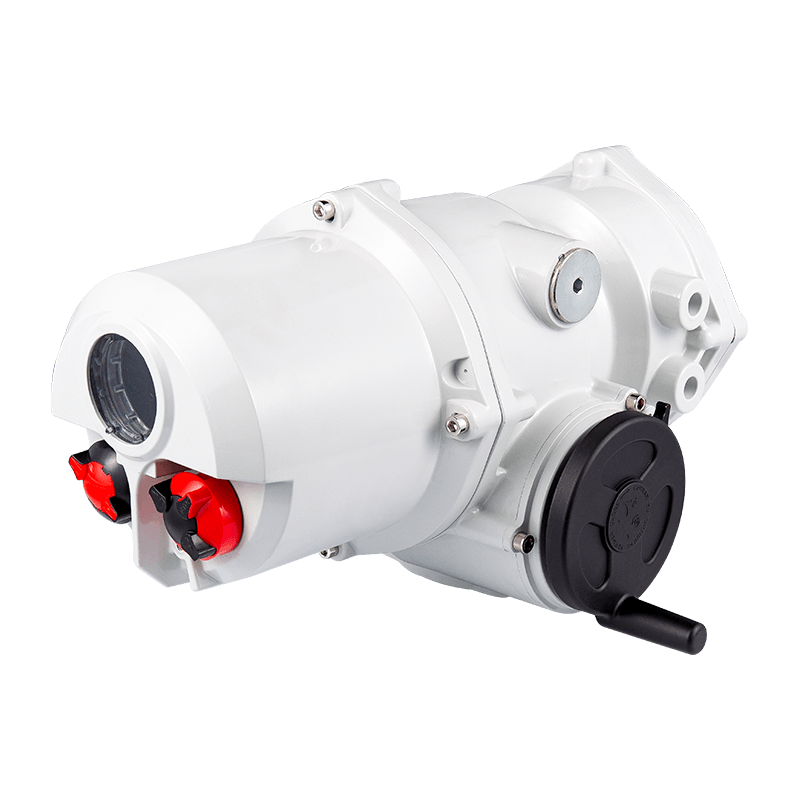
Aukema čiastočne rotujúca inteligentný elektrický ovládač má dva typy ovládacích prvkov: typ inteligentného prepínača...
Pozri podrobnosti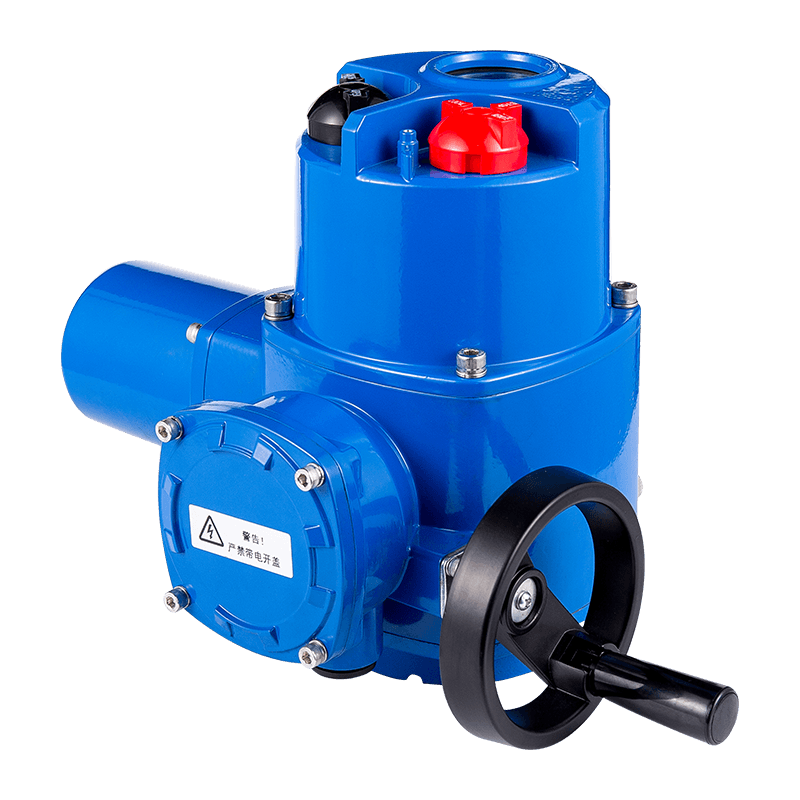
Séria QL série elektrických zariadení rotačného ventilu zahŕňa obyčajné, integrálne, regulačné, inteligentné, explózn...
Pozri podrobnosti

Autorské práva 2024 Changzhou Xinneng Automatic Control Equipment Co., Ltd Všetky práva vyhradené.